Roofing Contractors Who Answer the Phone in Home Place
Home Place Roofing handles roofing for Home Place homeowners who need a straight answer on repair, replacement, or storm damage. Licensed and insured in Indiana, we offer free inspections and written estimates so you know exactly what your roof needs before any work begins.
If we're busy helping someone else and miss your call, we'll call you back within 15 minutes.




Storm damage in Home Place? Home Place Roofing inspects, documents panel by panel, and meets your adjuster on the roof speaking their language. Call (317) 342-7736.
- Services: roof inspections, roof repair, emergency roof repair, roof replacement
- Service area: Home Place, Hamilton County, IN and surrounding areas
- Response: Home Place emergencies move to the front of the schedule, with interim protection first
- Licensed and insured (License #RC21100059)
- Serving Home Place, IN since 2018
Schedule Your Free Roof Inspection
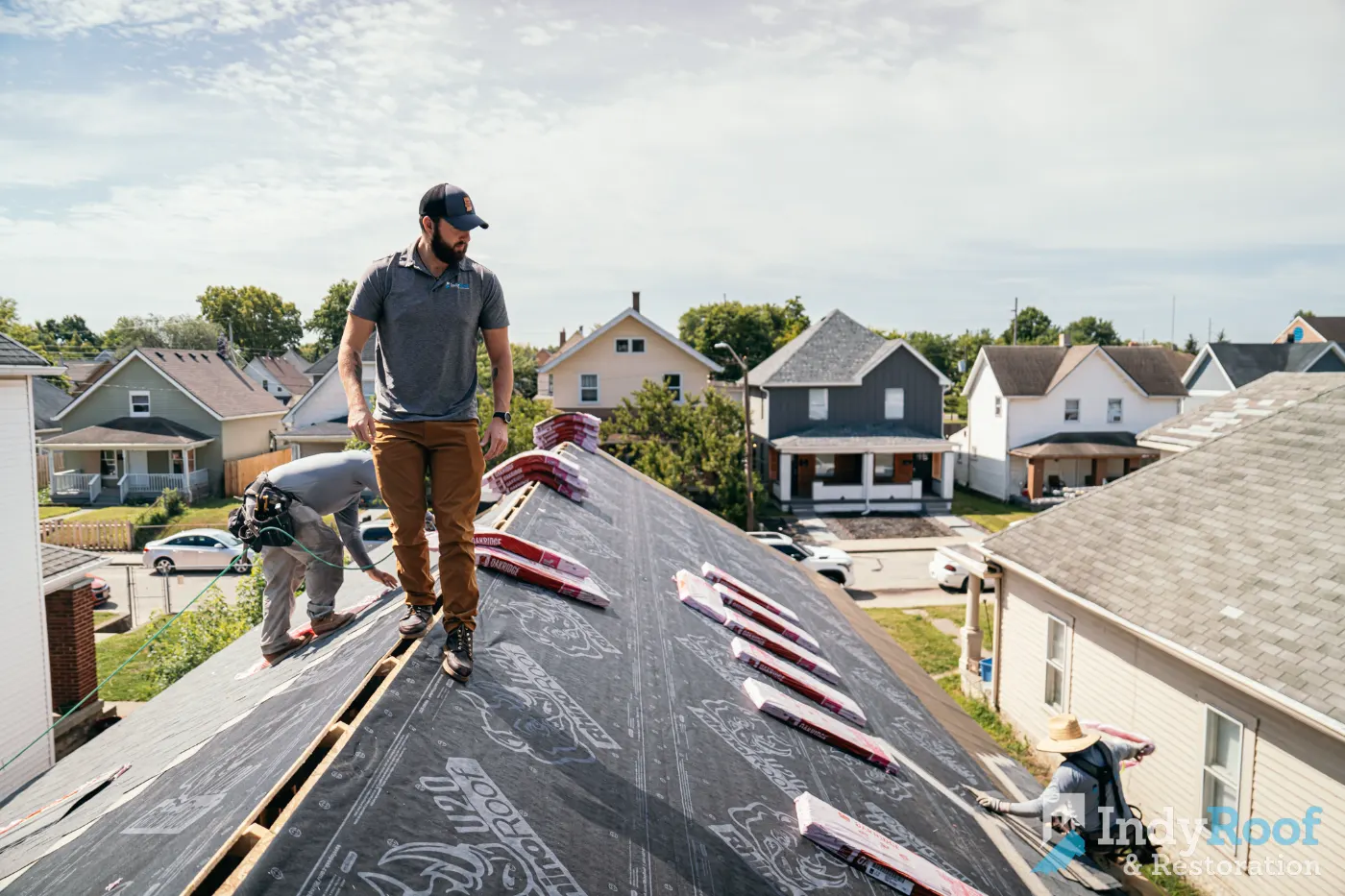
A roof inspection on a Home Place home is a full walk of the roof, not a glance from the driveway. Our crew checks shingle condition (bruising, cracking, granule loss, curling), flashing at chimneys, vents, and sidewalls, valleys and drip edges, penetrations and boots, and the ridge and hip lines where wind damage tends to show first. We photograph what we find and walk you through it in plain language, so you see the same thing we see. On older Home Place roofs, catching a lifted shingle or a failing pipe boot early is the difference between a small repair and a bigger repair with interior damage attached to it. Free inspection, no obligation.
I agree to be contacted by Home Place Roofing regarding my inquiry.
The roof is the only part of a Home Place home that gets inspected by accident. The furnace has a service plan, the car has a schedule, and the surface protecting all of it waits for a stain to speak up. A twenty minute look twice a year catches the cracked boot, the lifted tab, and the loading valley while they are small. Across Hamilton County, the expensive roofs are mostly the ignored ones.
Gutters, fascia, and drip edge get treated as one system on Home Place Roofing roofs, because on a Home Place home the roof edge drains or decays as a unit. Drip edge over the gutter back on every eave, fascia probed where stains suggest history, and gutters rehung at the pitch that actually moves water. Hamilton County edges built as systems stop generating the rot that keeps getting blamed on the wrong part.
Storm just moved through Hamilton County? Home Place Roofing documents Home Place roofs before weather erases the evidence: dated photos, mapped slopes, creased tabs and bruised mats recorded while they still tell the story. If a claim is warranted, you will have the file that proves it. If not, you will know that too. Call (317) 342-7736.
Payment Options That Work for You
We partner with established lenders so Home Place Roofing clients can spread the cost of a major roofing project into manageable payments. Ask your project lead about current options.
Pay for your project at a later time, but lock in today's pricing. Ideal for homeowners waiting on insurance settlements.
- No payments for 12 months
- No interest if paid in full
- Lock in current pricing today
Divide your project cost equally across 12 months with zero interest. Most homeowners choose this option for predictable budgeting.
- Equal monthly payments
- 0% interest for 12 months
- Simple, predictable budgeting
Spread your investment over up to 20 years with fixed equal payments. The right choice for larger projects or homeowners who prefer lower monthly amounts.
- Up to 20-year terms available
- Fixed equal payments
- Ideal for larger projects
Financing provided by Slice, Foundation Finance, Regions. Subject to credit approval. Rates, terms, and promotional periods are set by the lender and disclosed in writing before you sign.
How We Handle Home Place Roofing
Manufacturer-certified crews and clear documentation go into every roofing project Home Place Roofing handles, whether it's an inspection, a repair, or a full replacement.
Roof Inspections in Home Place
A full walkthrough of your Home Place roof covering shingles, flashing, valleys, penetrations, and visible signs of storm or age damage, documented with photos you get to keep. Free, no obligation.
Learn moreRoof Repair in Home Place
Targeted repairs on Home Place roofs for issues like lifted or missing shingles, damaged flashing, failing pipe boots, and localized storm damage. We fix the problem area and explain what caused it.
Learn moreEmergency Roof Repair in Home Place
Prompt response for Home Place homeowners dealing with active leaks or fresh storm damage, including tarping and temporary weatherproofing to stop the damage from spreading before the full repair is scoped.
Learn moreRoof Replacement in Home Place
Full tear off and replacement of aging or storm damaged Home Place roofs, including decking checks, underlayment, flashing, and new shingles or metal, finished with a final walkthrough and cleanup.
Learn moreDesigner Roofing in Home Place
Upgraded shingle profiles and premium roofing options for Home Place homes where curb appeal, color depth, and architectural style matter as much as weather performance.
Learn more
Local Expertise, Real Results
What Home Place Roofing does on a Home Place roof is what the shingle instructions describe, not what the schedule prefers.
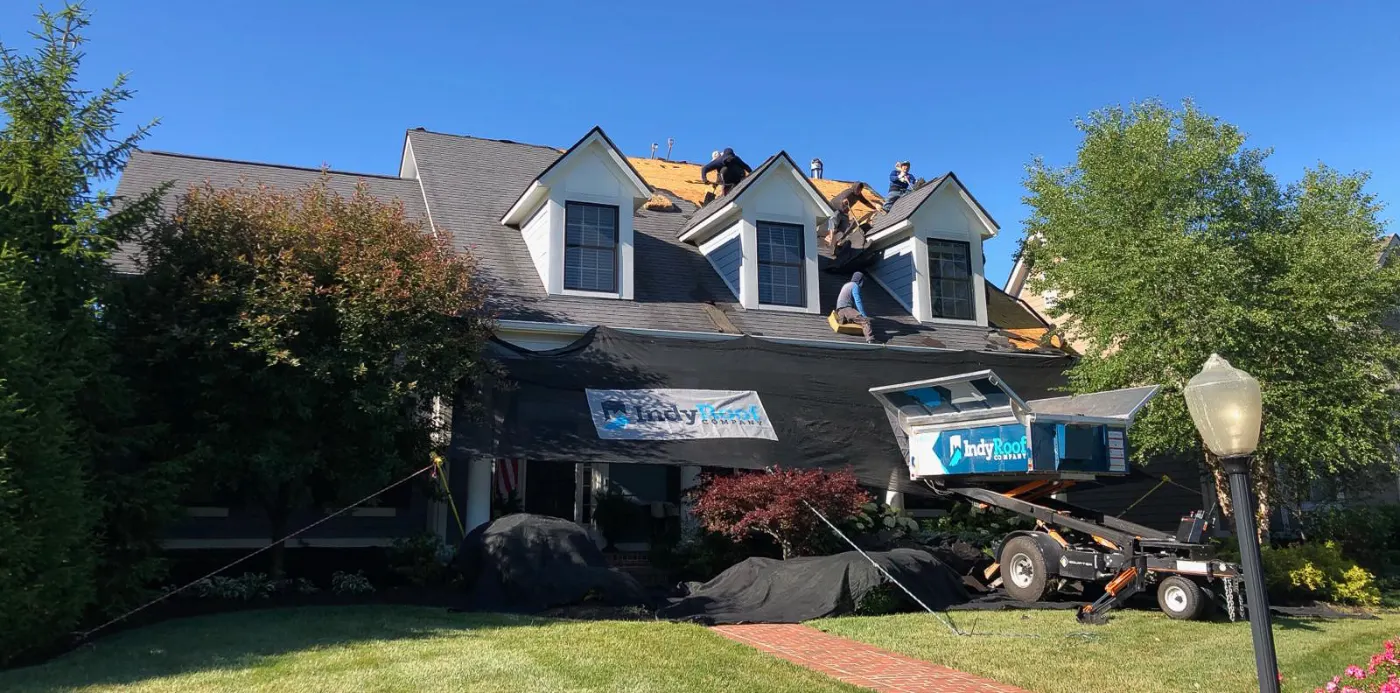
A reroof is a two-day disruption to protect a thirty-year asset. Home Place Roofing plans Home Place projects to keep it that way: landscaping protected, materials staged tight, debris hauled daily, and a magnetic sweep before the trailer leaves.
Home Place Roofing was founded in 2018 by Aaron Christy, who has been featured on FOX59, WISH TV, and RTV6 for his work across central Indiana. We serve Home Place along with Carmel, Nora, Fishers, Westfield, and Zionsville, and we know Hamilton County roofs from the mid century ranches near Bellefontaine Street to the newer builds tucked into surrounding subdivisions. Our crews are licensed and insured under Indiana license RC21100059, and every roof we work on is handled by people who do this trade full time. When a Home Place homeowner calls, you get a local roofer, not a call center.
Our process starts with looking at the roof, not selling a package. A crew member walks the roof, checks shingles, flashing, penetrations, and valleys, and documents what they find with photos so you can see it too. From there you get an honest written estimate with a clear scope, no vague line items, and no pressure to sign the same day. When we do the work on a Home Place roof, we protect the property, clean up as we go, and finish with a walkthrough so nothing is left open to guess about. Straightforward roofing, done the way it should be.
Our Promise
Every Home Place homeowner who calls Home Place Roofing gets a free on site inspection before any work is proposed, so recommendations are based on the roof in front of us, not a phone description. You get an honest written estimate with a clear scope and transparent line items. Our workmanship is backed by a workmanship warranty in addition to the standard manufacturer coverage on the materials we install. If we would not put it on our own home, we will not sell it to you.
Where Home Place Roofing Is Different in Home Place
Quality materials, thorough inspections, and pricing you can see clearly, for Home Place and Hamilton County.
Storm And Hail Response
Central Indiana takes regular hits from hail and straight line winds, and after a bad storm we prioritize inspections for homeowners with visible damage. We look for hail bruising on shingles, lifted tabs, missing pieces, and flashing damage that only shows up on the roof. You get photos, a written scope, and a clear next step.
Home Place Roofs We Know
Home Place has a mix of mid century ranches, cottages, and 1970s and 1980s subdivision builds, and each era has its own quirks. We have worked on the low pitch roofs, the older decking, and the aging asphalt that defines a lot of these streets. That context matters when we scope a repair or a replacement.
Full Scope, One Crew
From the first inspection through the final walkthrough, the same company handles the work on your Home Place roof. No hand offs to strangers, no vanishing after the deposit. You get one point of contact, one written scope, and one crew accountable for the finish.
Insurance Documentation Done Right
If your roof took storm damage, we document it the way an adjuster needs to see it: dated photos, measurements, and a clear written scope. We work alongside your insurance carrier through the claim so the damage is represented accurately. Clean paperwork makes claims move faster.
Real Jobs. Real Results.
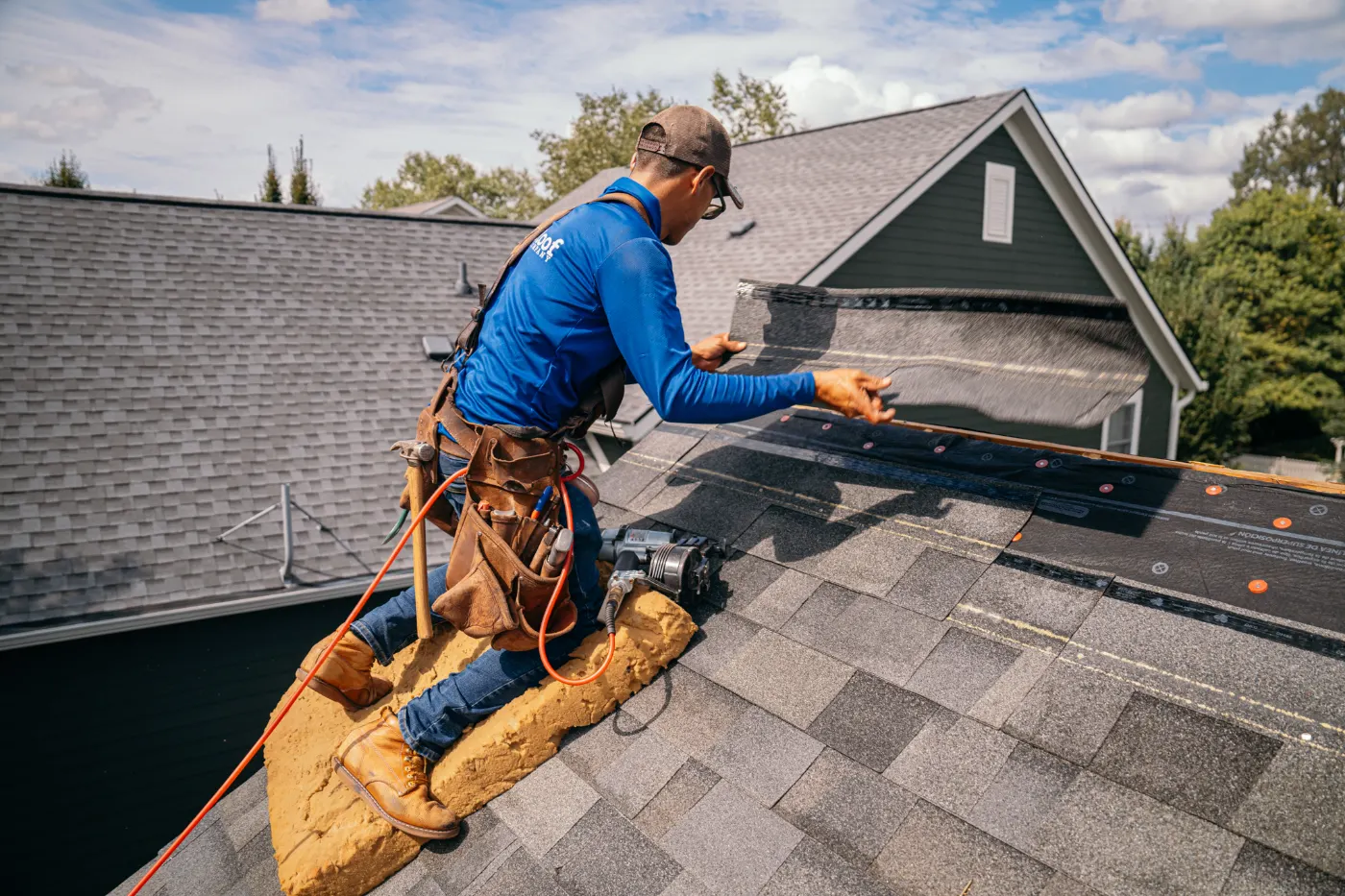
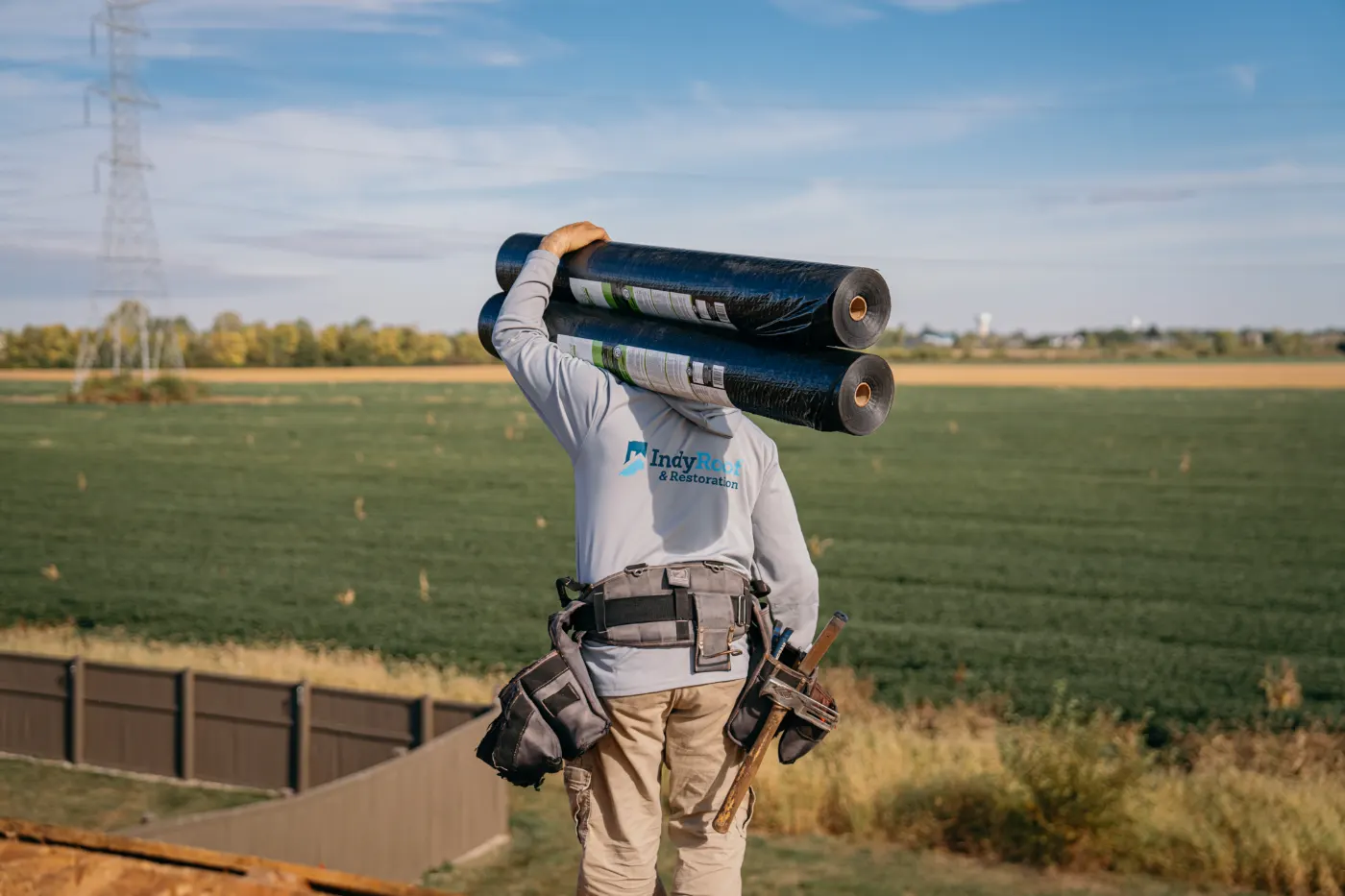
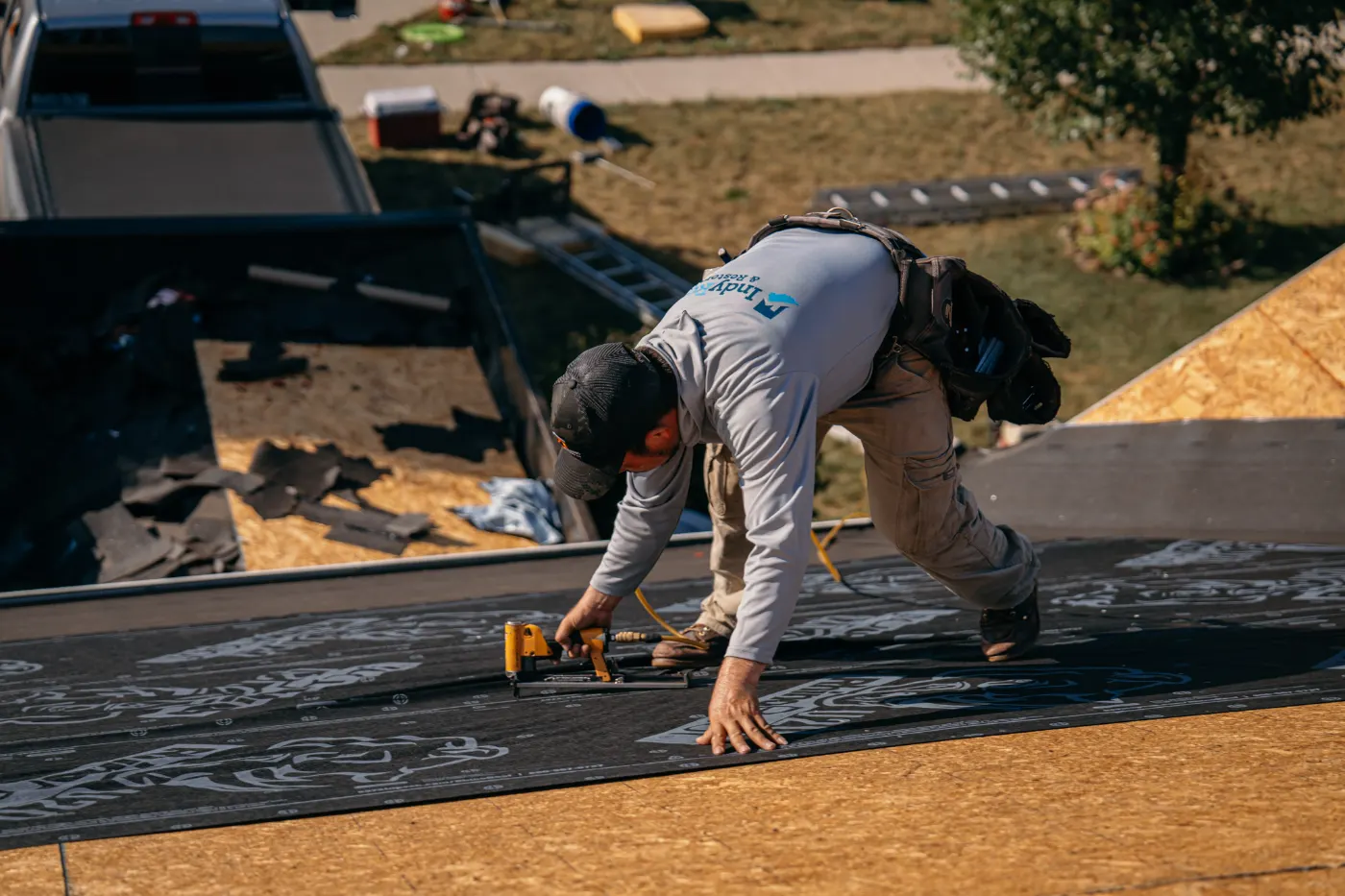
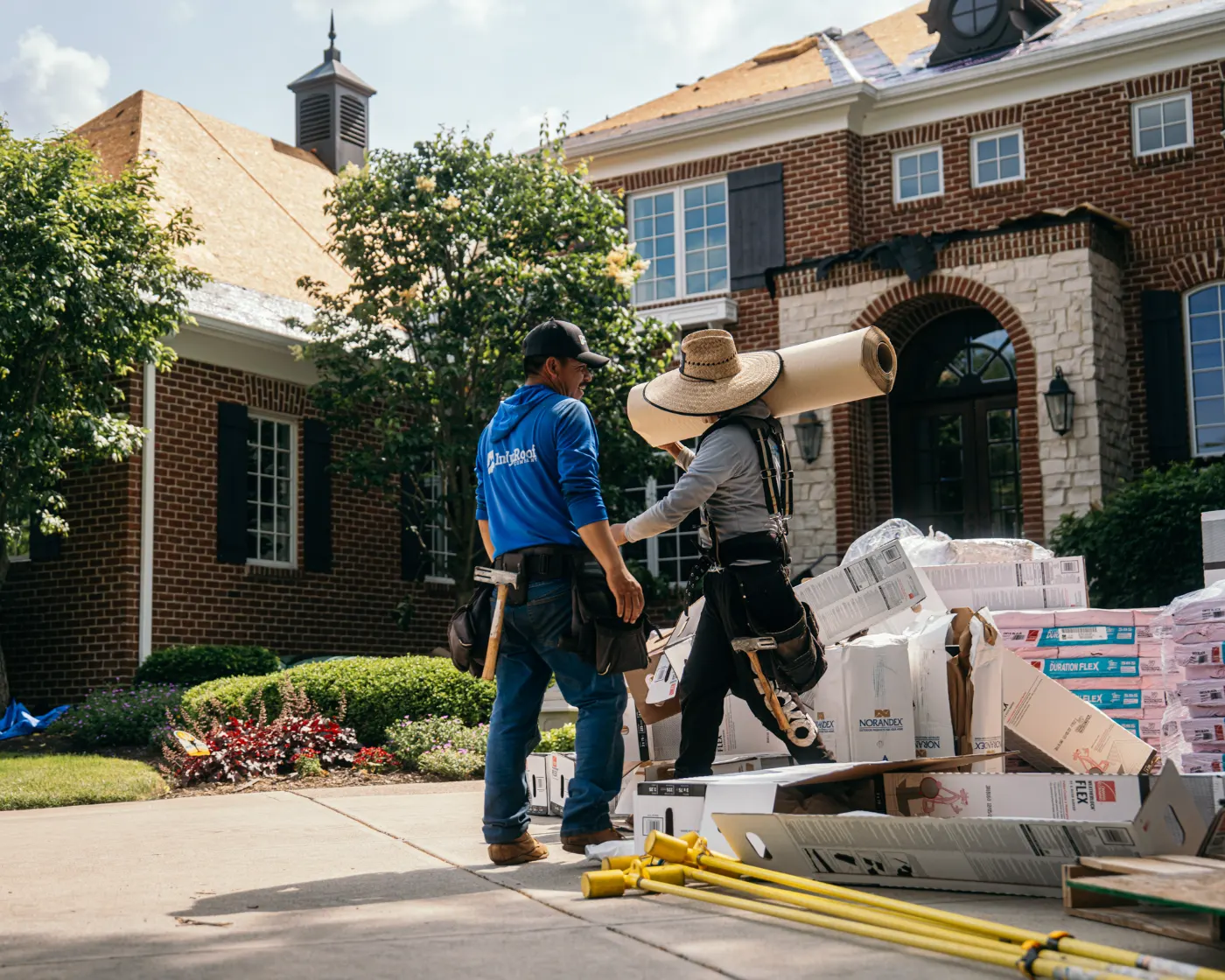
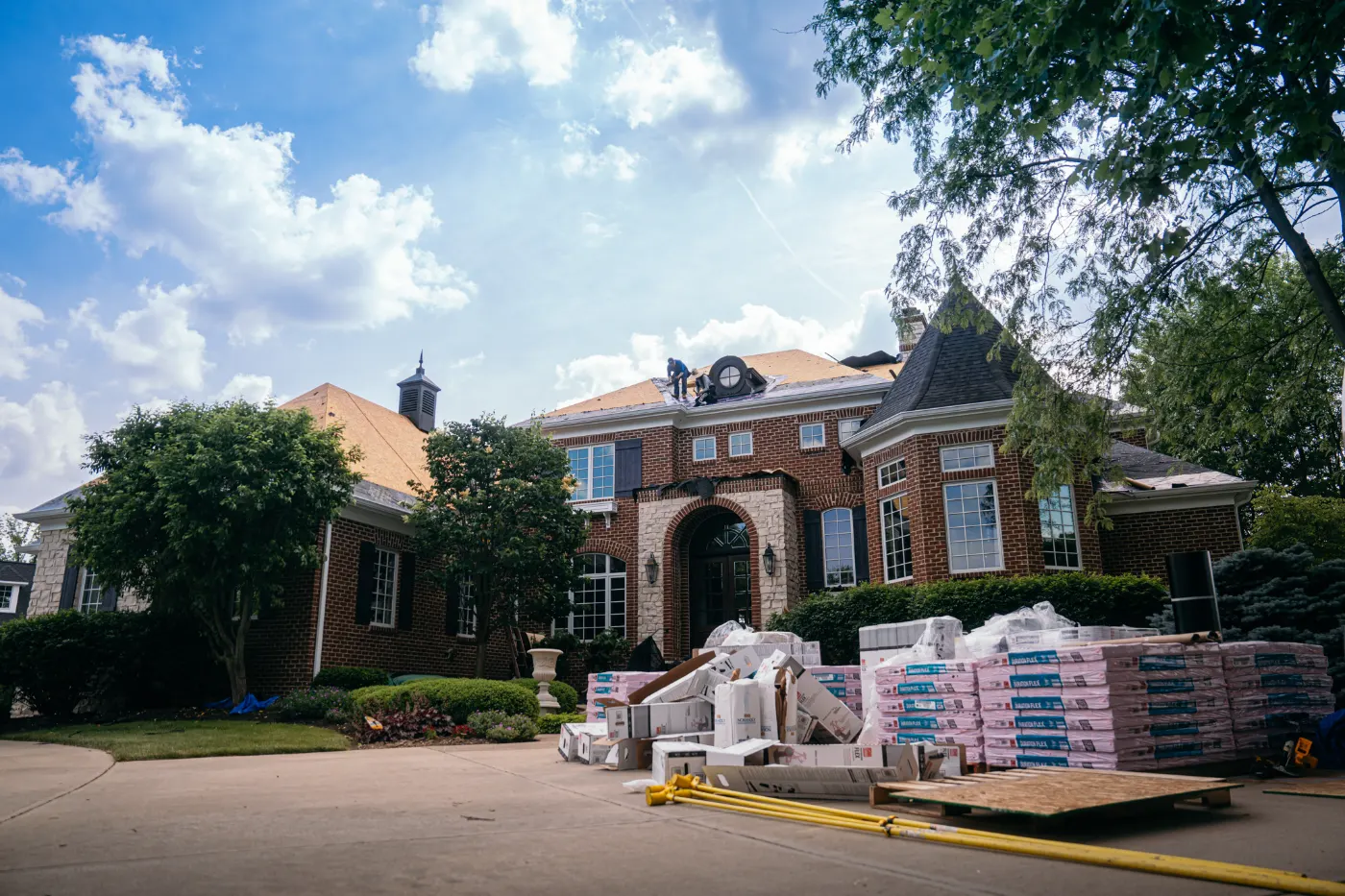
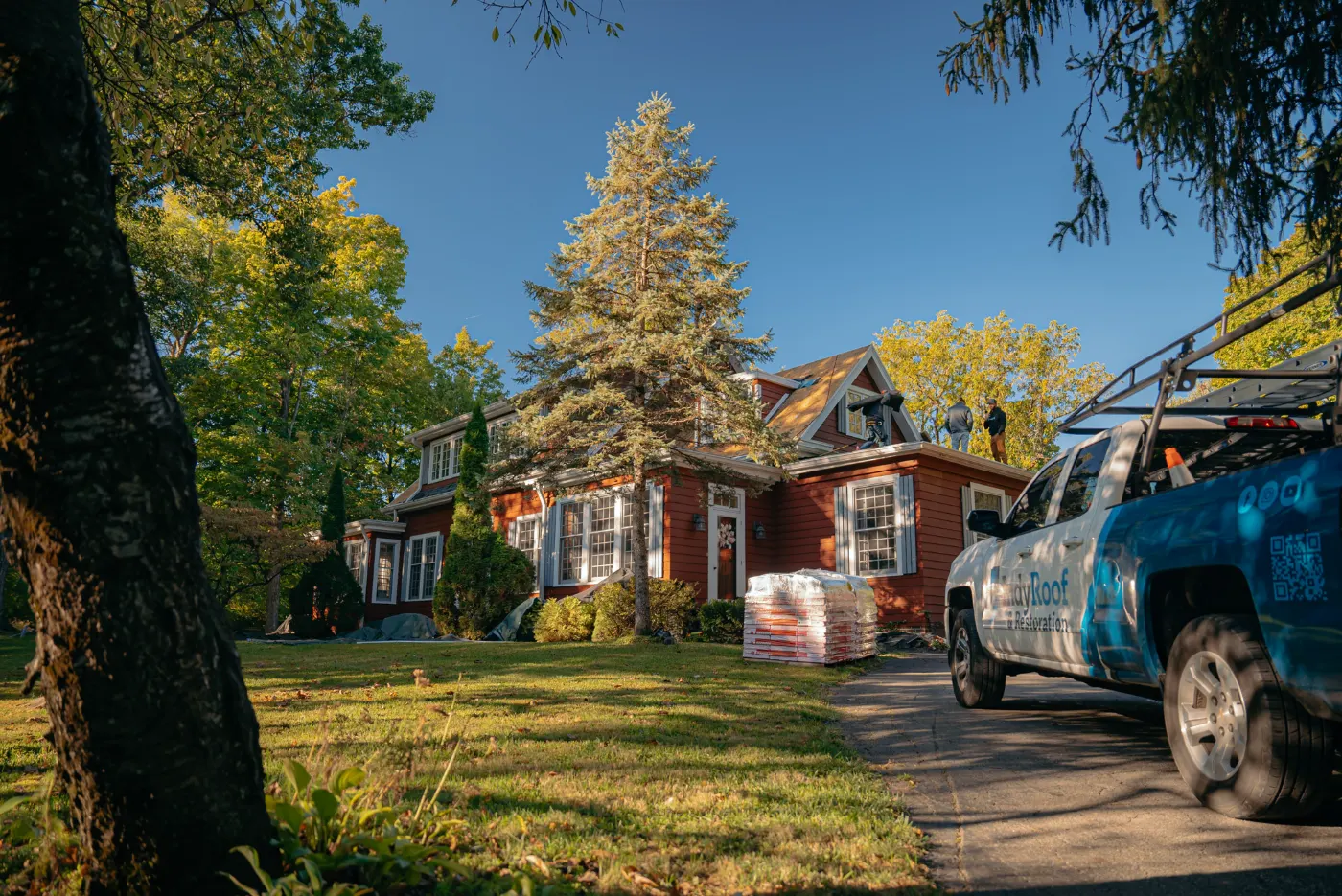
Photos from recent roofing projects completed by our manufacturer-certified crew across Home Place and Hamilton County. Every project is documented with photos and a written closeout package.
The Work Behind Every Home Place Roof
Step one is the inspection. A crew member comes out to your Home Place home, walks the roof, and looks at shingles, flashing, valleys, penetrations, and the ridge and hip lines. We photograph the condition of the roof and any storm or age related damage we find, then walk you through it in plain terms. Before anything else happens, you know what the roof actually needs and what it does not need. No pressure, no upsell on things that are still in good shape. The goal at this stage is a clear, documented picture of the roof so the next step makes sense.
Step two is the estimate and, if applicable, the insurance side. You get an honest written estimate with the scope spelled out line by line, so a Home Place homeowner can read it and know what is included. If there is a storm damage claim, we put together the documentation your insurance carrier and adjuster will want to see, and we work with them through the process. works with your insurance carrier, and we never speak for them on coverage. Your deductible and policy terms are between you and your carrier, and we keep that honest.
Step three is the work itself. We schedule the job at a time that works for your household, protect landscaping and siding around the Home Place home, and tear off and replace or repair the roof cleanly. The crew keeps the site organized as they go, uses magnetic sweeps for nails, and hauls debris off the property. Once the roof is finished, we do a final walkthrough with you so any questions get answered on the spot. What you were told at the estimate is what you get on the ground.
Free Inspection With Photos
We walk the roof, check the details, and document what we find with dated photos you get to keep. That gives you a real picture of the roof instead of a sales pitch. Free, no obligation.
Honest Written Estimate
The scope is written out in plain language with the materials, the areas addressed, and the price. Transparent line items added later, no vague bundles. If something changes mid project, you hear about it before we move on it.
Insurance Documentation
For storm claims on Home Place roofs, we prepare the photos, measurements, and scope your carrier needs to see. We work with your carrier and adjuster through the process, but we never claim to bill them directly. Your policy stays your policy.
Clean Work, Final Walkthrough
The crew protects your property, keeps the site organized, and sweeps for nails before leaving. When the roof is done, we walk it with you so you can see the finished work and ask questions. Nothing gets left to guess about.
Recent Home Place Roofing Projects
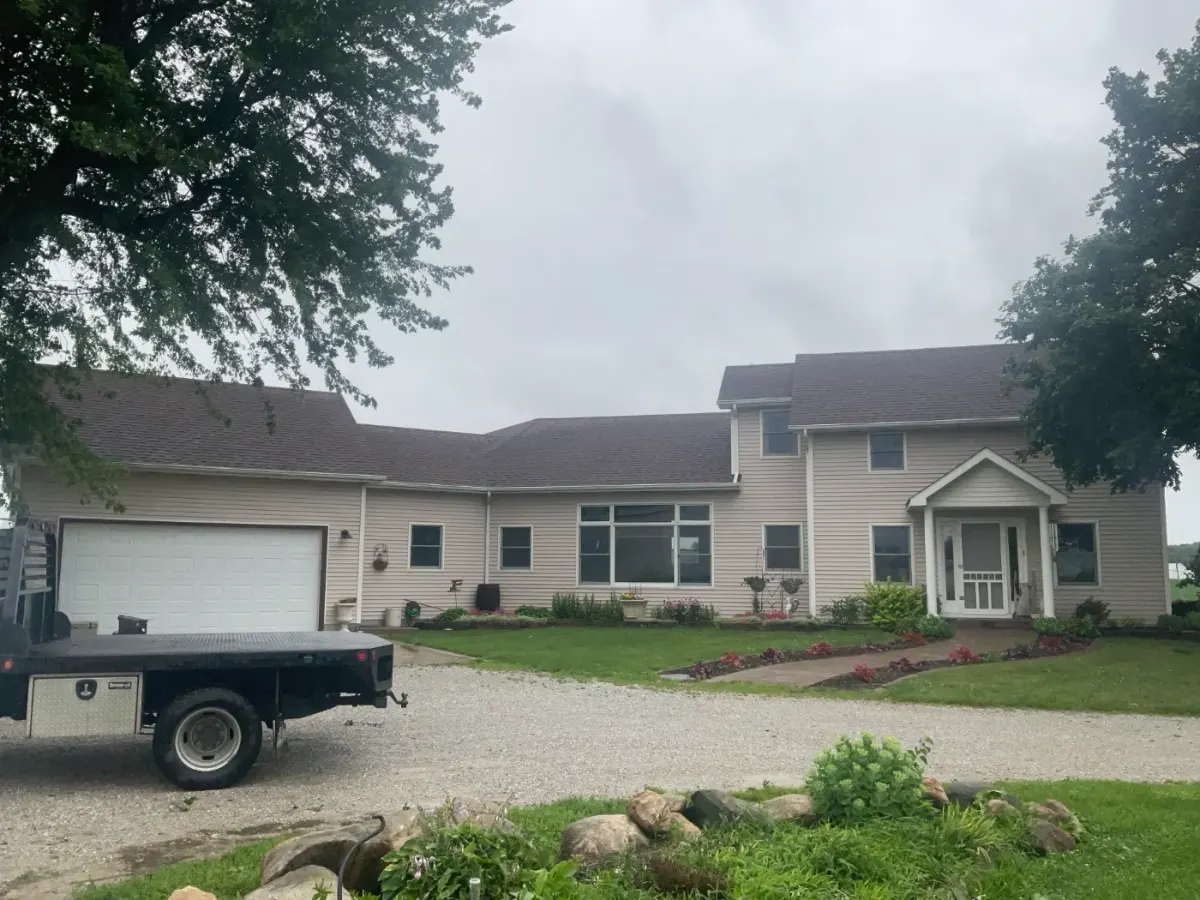
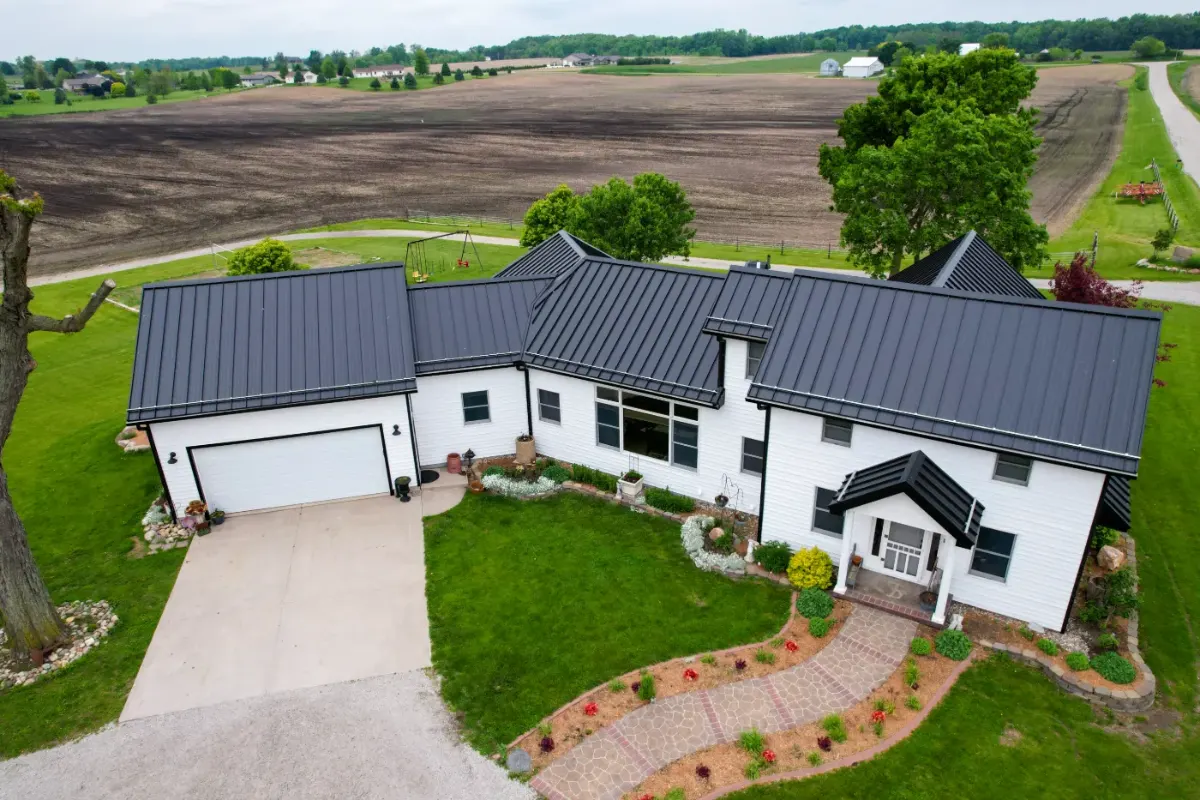
5 before-and-after projects documented for the homeowner and the homeowners insurance carrier.
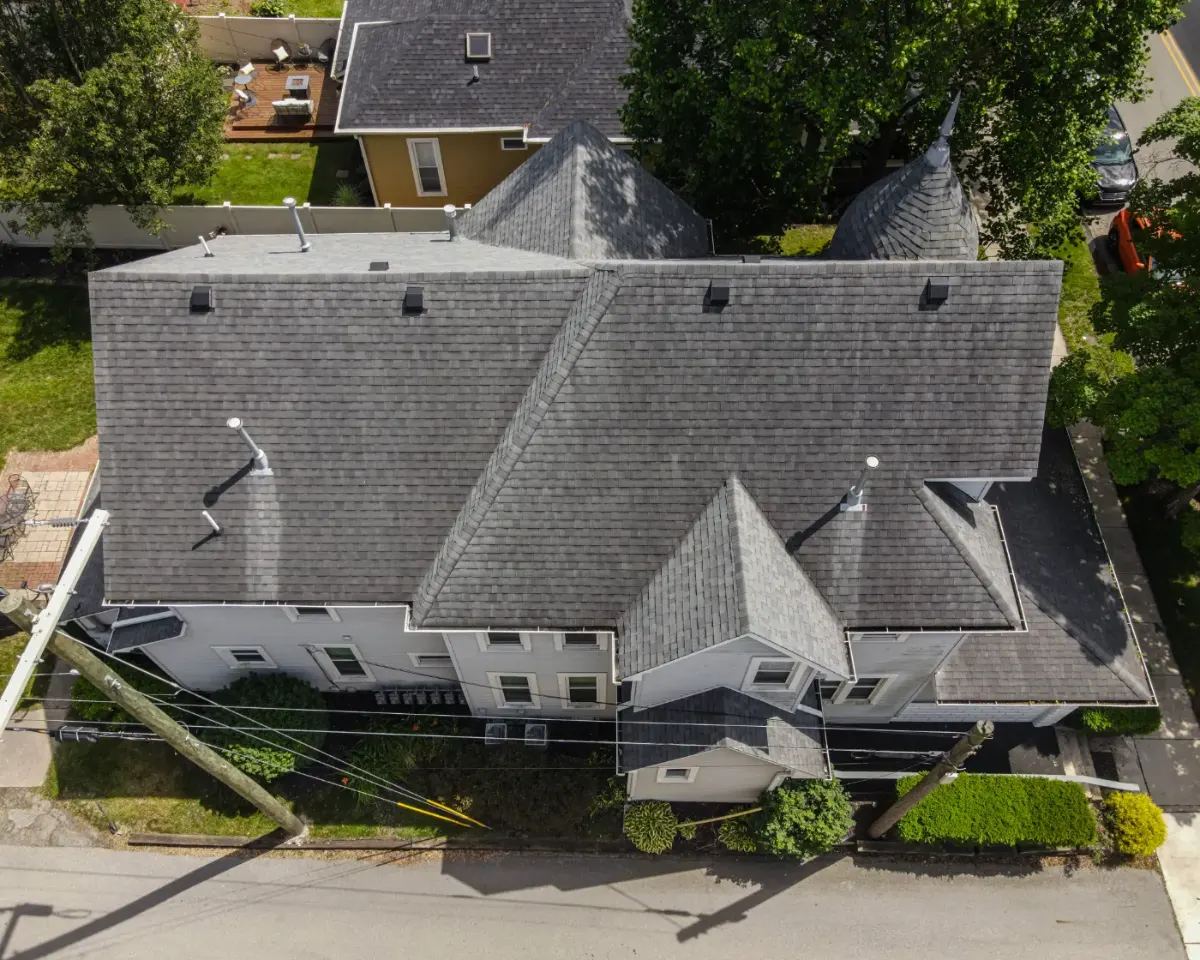
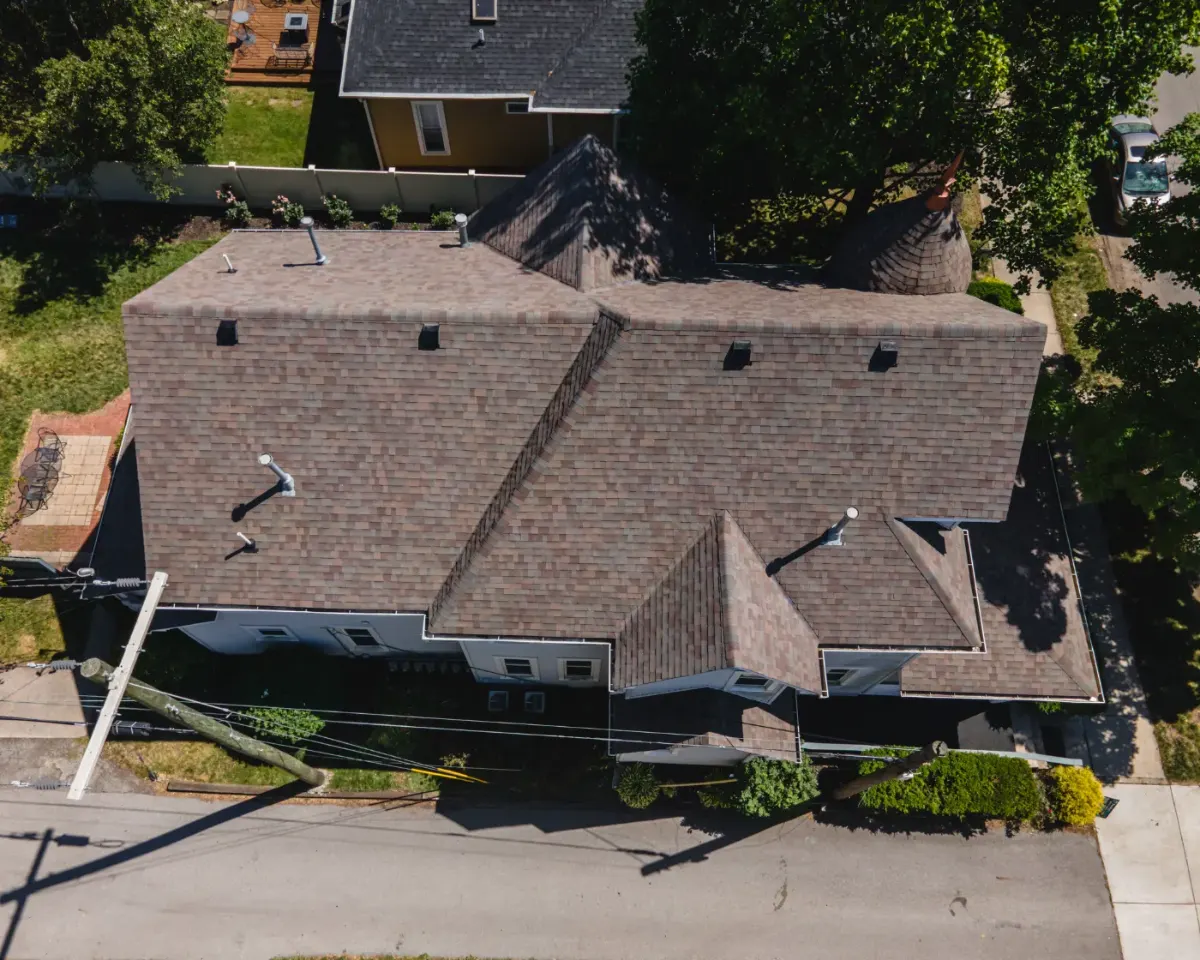
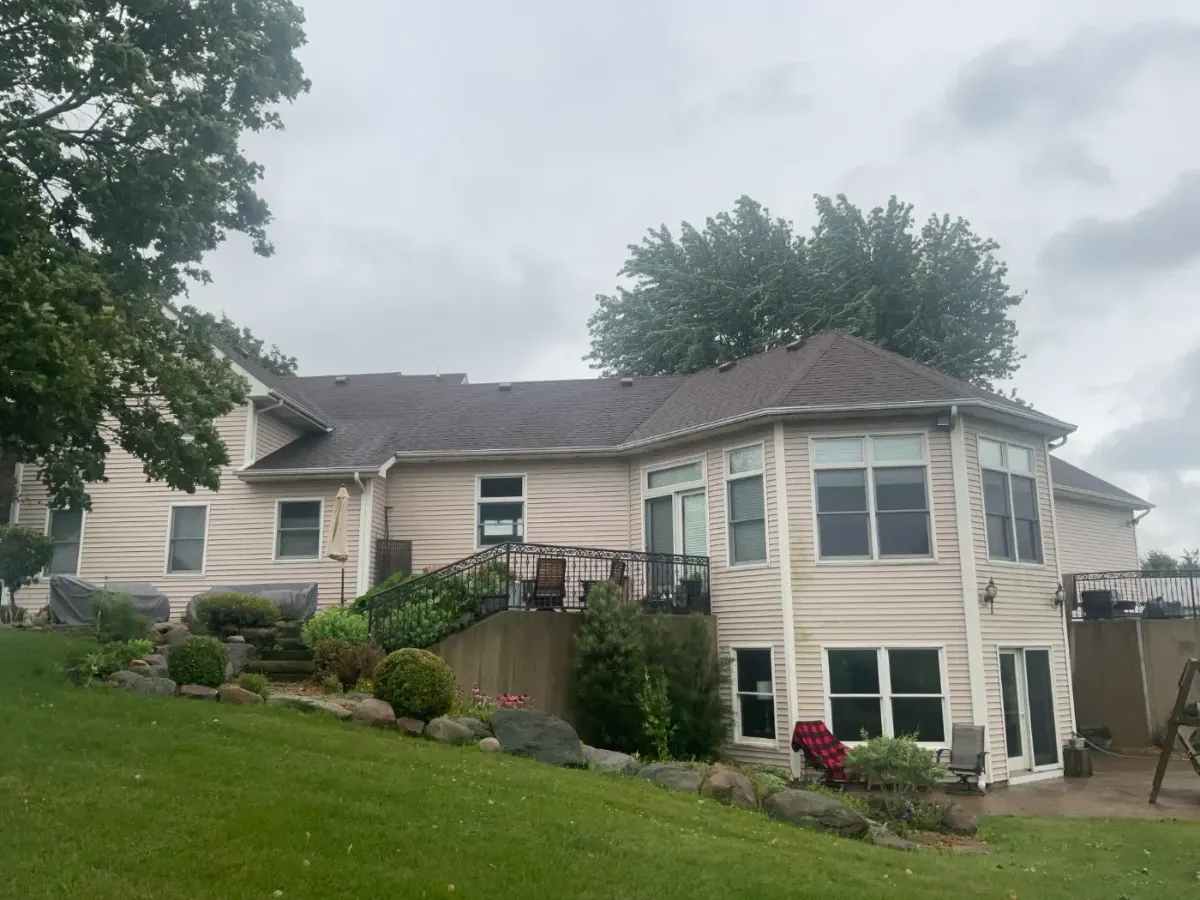
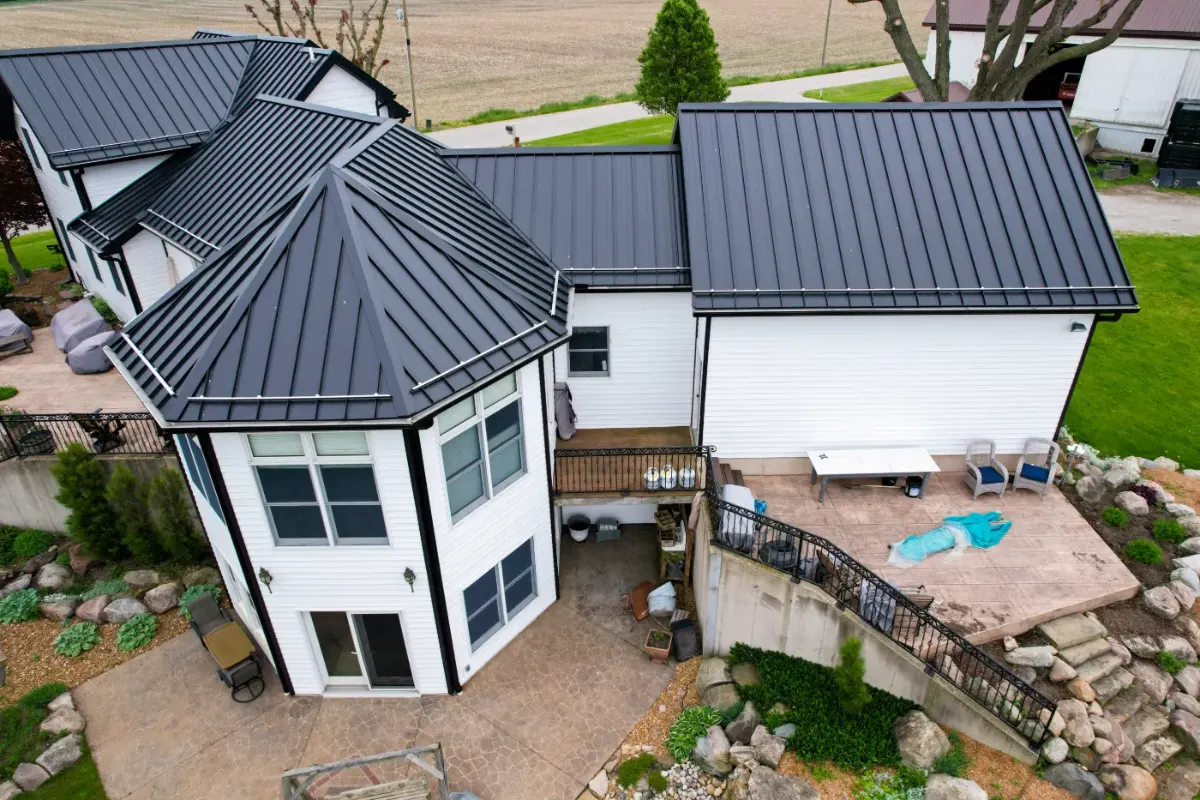
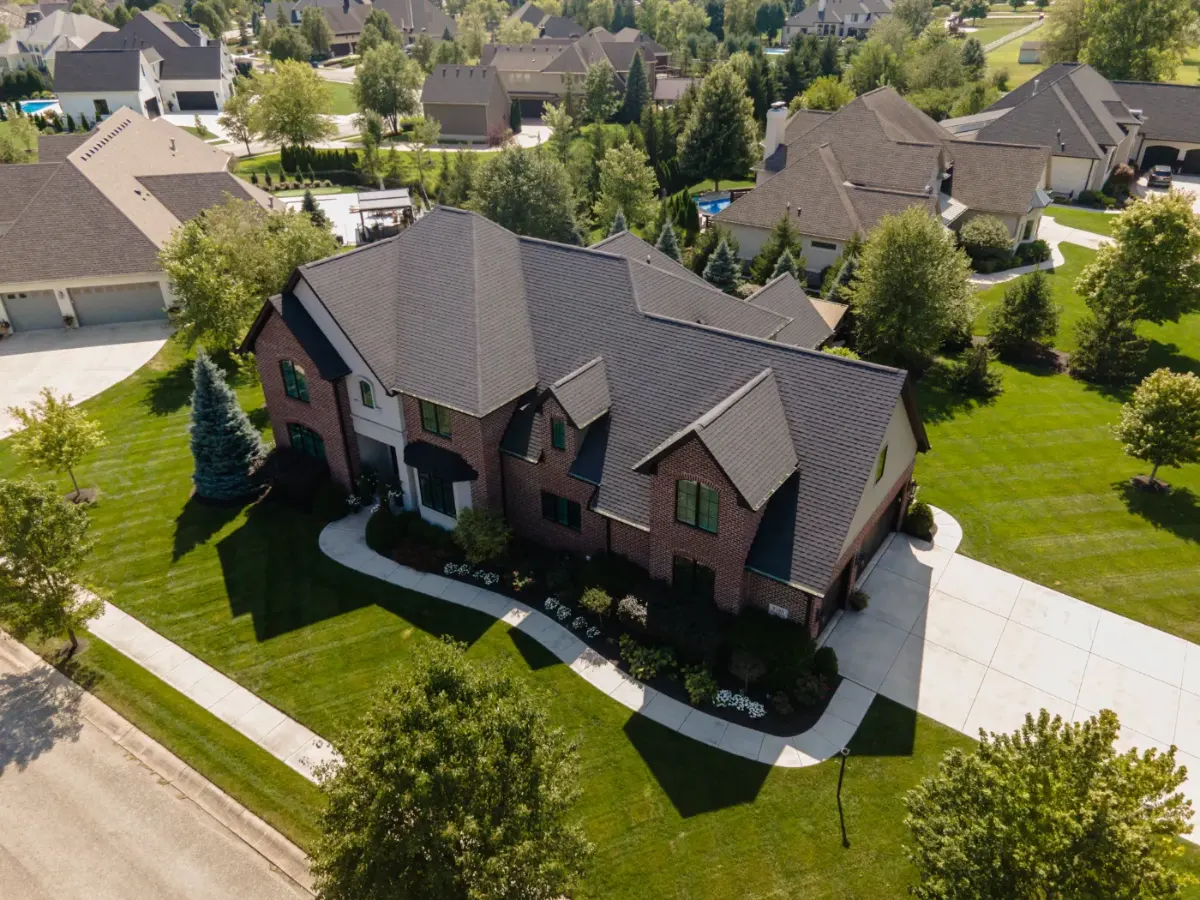
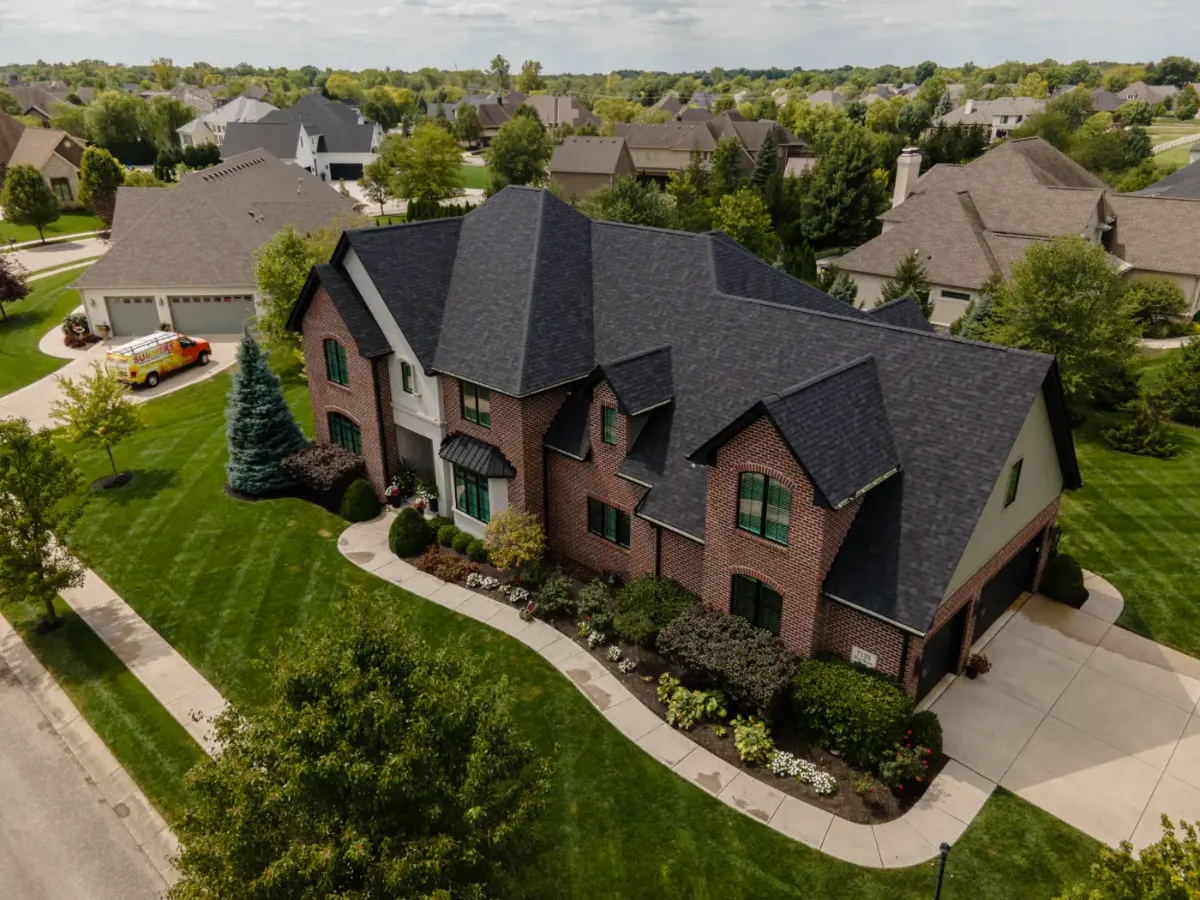
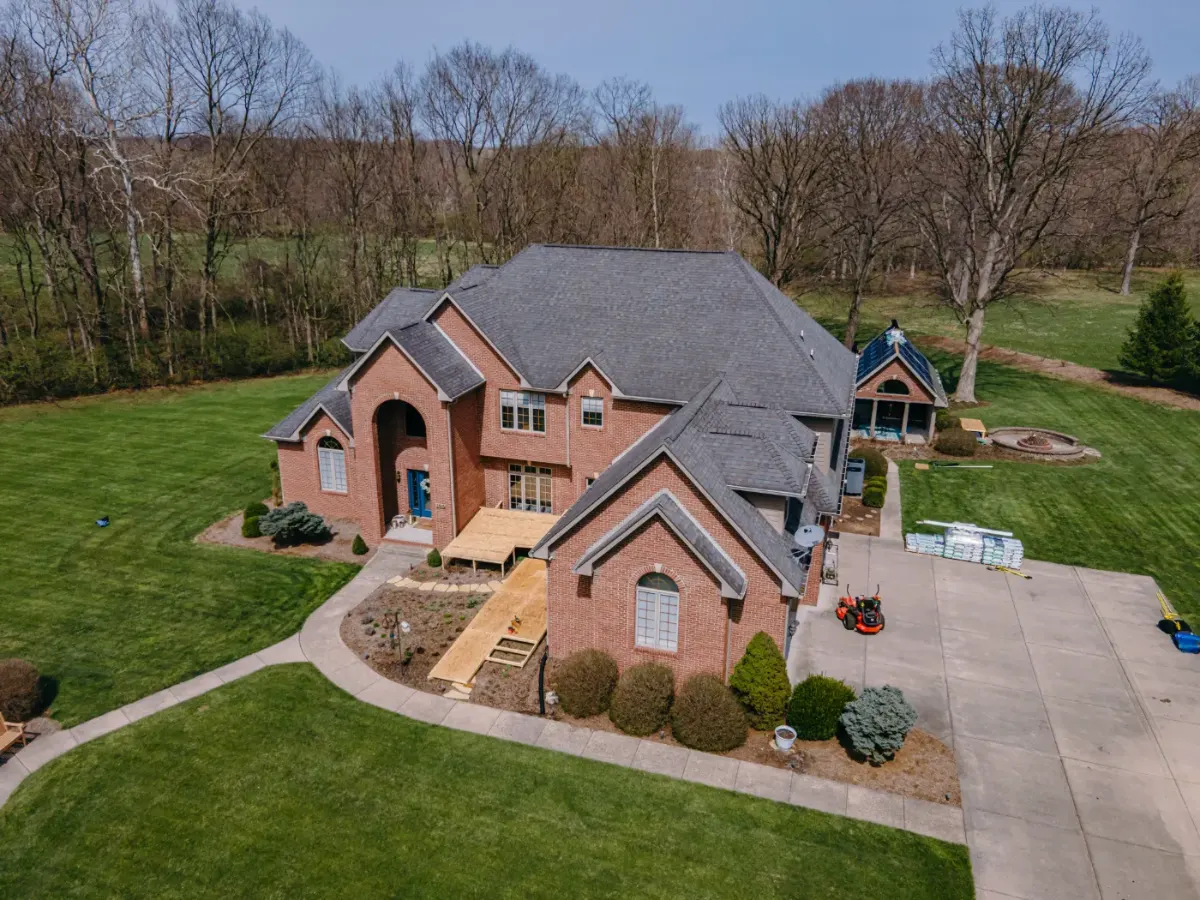
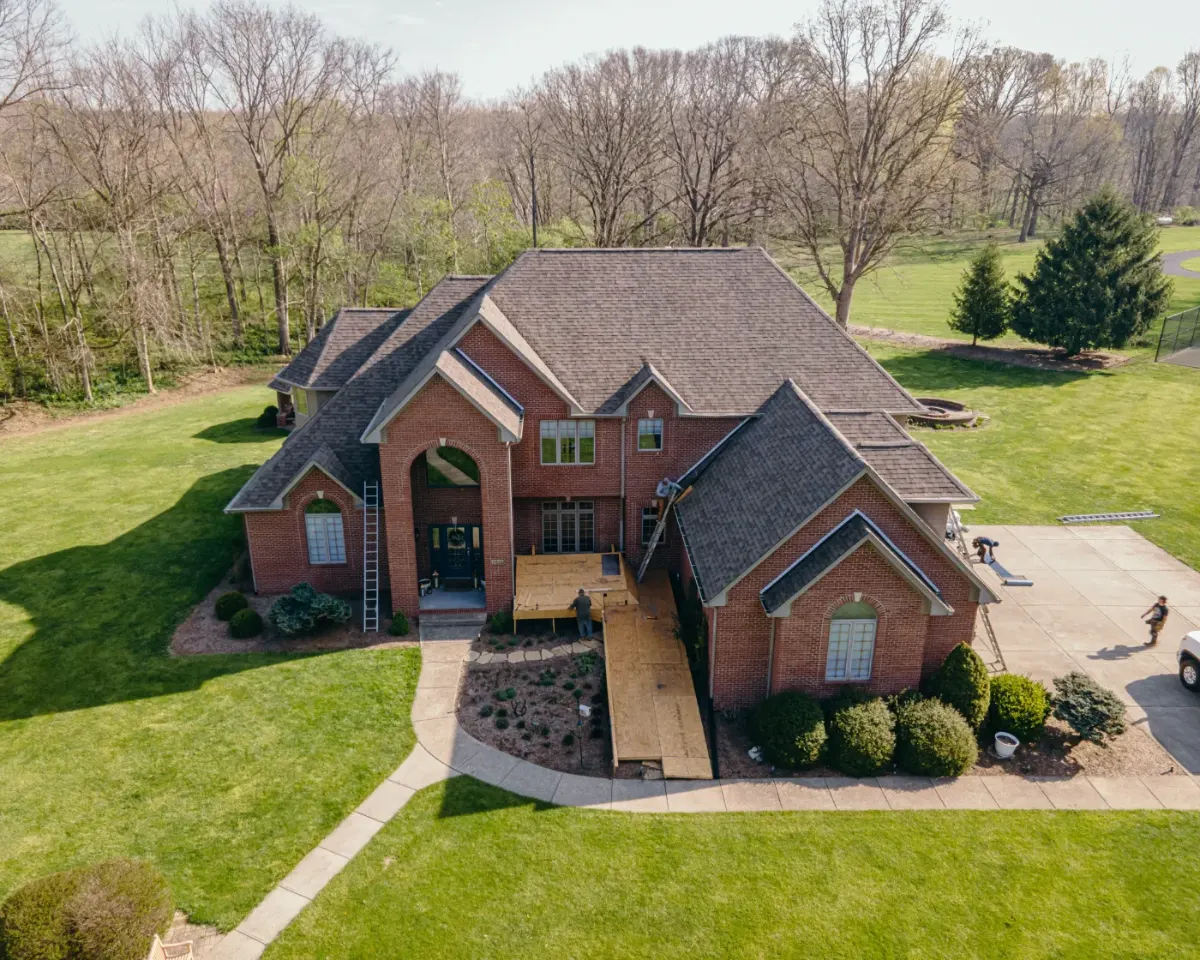
What we see most often on Home Place roofs
Home Place homeowners typically call us about these scenarios.
Leaks at Chimneys, Pipes, and Skylights
Flashing and pipe boots fail long before the shingle field does. Rubber boot collars split under Home Place sun, commonly around the ten to fifteen year mark by industry experience, and chimney counterflashing pulls loose as mortar joints age. Home Place Roofing replaces the failed detail and checks the decking under it, because a slow boot leak usually rots more wood than it stains drywall.
Ice and Water Shield That Stops Too Short
Where an ice barrier goes on it runs from the eave to at least 24 inches inside the exterior wall line, and plenty of older Home Place roofs got a strip at the edge and nothing more. The result shows up as a winter leak that disappears every spring. Home Place Roofing checks coverage during tear off and brings it to what the shingle manufacturer's instructions call for rather than matching what was there.
Wind Damage Along the Roof Edges
Rakes and eaves take the highest uplift in a Home Place wind event, which is why damage starts at the perimeter and works inward. Starter course and drip edge decide whether the field holds. Home Place Roofing inspects the edges first after a storm and documents lifted starter before it becomes missing field shingles.
Two Layers of Shingles on the Roof
A second layer laid over the first hides the decking, adds weight, and runs hotter than a single layer, which shortens both. Home Place homes that were reroofed this way in the past need a full tear off next time. Home Place Roofing tells you how many layers are up there during the free inspection so the number is not a surprise inside the quote.
Algae Streaking on the North Slope
Those black streaks running down shaded Home Place slopes are airborne algae feeding on the limestone filler in the shingle mat. They are cosmetic at first and hold moisture against the surface over time. Home Place Roofing tells you plainly whether the roof needs cleaning, algae resistant shingles at replacement, or nothing at all yet.
Porch Roofs Too Flat for Shingles
Porch and addition roofs are usually shallower than the main slopes. A shingle roof sheds water downhill by overlapping; it does not hold water back, so wind-driven rain in a Home Place storm gets under the laps and shows up along the wall inside. Home Place Roofing tells you when the answer is a proper low-slope material instead of another course of shingles.
Three Simple Steps
Free inspection first, then a disciplined sequence that carries each Home Place Roofing project all the way to completion.
Free Inspection
Photos document what your roof looks like right now, and we go over the findings with you directly and practically. Scheduling happens around your availability.
Transparent Estimate
Written outlines spell out the work we recommend and why each piece helps your property. Pressure isn't part of it, and the options get explained slowly enough to actually think about.
Quality Installation
Our crews pay attention, keep to consistent timelines, and treat your property carefully. We handle manufacturer warranty registration under your name.
Home Place on the Drip Edge Work
4.9 stars across 2,307+ Google reviews.
"Honest assessment. Fair pricing. Quality work. Recommended without reservation. They will be the team I call for the next roof."
"Free inspection after a windstorm. They told us the damage was cosmetic and the roof was not ready for replacement. Most contractors would have pushed for replacement. Honest assessment."
"Roof inspection for our home sale. The report was detailed enough that buyers accepted it as part of due diligence without ordering their own. Saved us about a week of closing time."
The Home Place Roofing FAQ
Straight answers to the questions Home Place homeowners ask most.
Indiana Weather Affects Roofs Year Round
Indiana sees some of the most varied weather in the country. Home Place homeowners deal with spring hail and severe thunderstorms, summer UV exposure, fall wind storms, and winter freeze thaw cycles. Understanding these patterns is how we plan maintenance, repairs, and replacement work.
Hail Bruising On Shingles
Hamilton County has logged dozens of severe weather events in recent years, and hail is a regular part of the mix. Hail impact bruises the mat under the shingle surface and cracks the granule layer, which shortens the shingle life even when the damage is not obvious from the ground. When we inspect after a storm, we mark impact points and document them for your records.
Wind Lifting Shingles
Straight line winds through central Indiana can lift shingle tabs, break the seal strips, and tear pieces off entirely, especially on older Home Place roofs where the adhesive has aged out. Once a tab is lifted, wind and water work under it and the damage grows. We reseal, replace, or re roof depending on how far the wind damage has spread.
Ice Dams In Winter
Central Indiana winters swing from single digit cold to thaw cycles, and that is exactly the pattern that forms ice dams along eaves. Water backs up under the shingles and finds its way through the deck into the home. On Home Place homes with low pitch mid century roofs, this is a recurring issue we address at the flashing, underlayment, and ventilation level.
Granule Loss On Aging Roofs
A lot of Home Place roofs are past the 20 to 30 year mark for asphalt shingles, and granule loss is one of the clearest signs the roof is near the end. Granules protect the asphalt from UV, and once they wash into the gutters, the shingle breaks down fast. We measure granule loss during the inspection and tell you honestly where the roof stands.
Choosing the Right Roof for Home Place Homes
An honest breakdown of the three systems we install most frequently.
Architectural asphalt shingles are the most common choice on Home Place roofs, and for good reason. They balance cost, curb appeal, and dependable performance through central Indiana's mix of hail, wind, and temperature swings. The dimensional profile gives a heavier, more textured look than old 3-tab shingles, and the color range is wide enough to match everything from a mid century ranch to a newer subdivision build. Manufacturer warranties on architectural shingles are strong when the roof is installed to spec, and the material has a proven track record on Hamilton County homes. For most Home Place homeowners, this tier hits the right point between budget and long term value.
Class 4 impact resistant shingles are built to take hail strikes that would bruise or crack a standard asphalt shingle. Given how often the Carmel area sees hail during spring and summer storm season, this upgrade makes real sense for Home Place homeowners who want fewer storm claims over the life of the roof. The reinforced mat holds granules longer, which extends the useful life of the shingle in a hail prone climate. Ask your insurance carrier whether your policy offers a premium credit for a Class 4 roof, since many do, though we cannot promise a discount on your behalf. The upfront cost is modestly higher than standard architectural.
Standing seam metal is the longest lived option we install, with concealed fasteners that avoid the exposed screw failure points of older ag panel metal roofs. It sheds snow and ice cleanly, holds up to hail and wind better than asphalt, and asks almost nothing of the homeowner in terms of upkeep for decades. The tradeoff is honest: the upfront cost is meaningfully higher than architectural asphalt, sometimes two to three times as much, and repairs on metal call for a crew that knows the system. For a Home Place homeowner planning to stay in the house long term, standing seam trades a bigger check up front for decades of low maintenance.
Home Place Roofing Services, Explained
Roof Inspections
A roof inspection isn't a sales visit carrying a clipboard. Nobody sits at your kitchen table in Home Place running pressure tactics or quoting a price that expires when the door closes. It also isn't a promise that nothing will ever go wrong, because weather doesn't work that way.
What it is: an honest read of current condition from someone who works on roofs for a living. If your roof needs nothing, that is the answer you get, along with a rough sense of how many seasons remain before the conversation changes.
Roof Inspections in Home Place ›Roof Repair
Call for a repair in Home Place when something is clearly wrong but the roof as a whole still looks sound. A stain that keeps growing. A few shingles gone after a storm.
Water at the chimney every time rain blows from one direction. Those are repair problems, not replacement problems, and treating them early keeps them that way. Wood stays dry, insulation stays useful, and the ceiling stays a ceiling.
Waiting is how a repair turns into a project. If you aren't sure which side of that line you are on, we will look and tell you straight.
Roof Repair in Home Place ›Emergency Roof Repair
Sudden storm damage is what home policies exist for, and urgent work usually falls under the part of the policy asking you to prevent further loss. That is why documentation matters from the first minute. We photograph the roof before covering it, keep that invoice separate from the permanent repair, and hand you both in a form your carrier can read.
If an adjuster is coming to your Home Place home, we can meet them on site and walk the roof together so nothing gets missed or argued about later. Two sets of pictures usually settle a question faster than one.
Emergency Roof Repair in Home Place ›Roof Replacement
When a storm damages enough of a roof, a carrier may pay to replace it rather than repair it. That process runs on documentation. We inspect, photograph damage across each slope, and write up what we find in language that matches how adjusters work.
If a claim is approved, we build from the approved scope and point out whatever was left off it, such as flashing or ventilation the roof genuinely needs. If the claim is denied, you still hold a clear picture of your Home Place roof and a real choice about what comes next.
Roof Replacement in Home Place ›Designer Roofing
Timing matters more with these shingles than with standard ones. They are thicker and stiffer, so cold weather makes them harder to handle and slower to seal down. Late spring through early fall is the comfortable window in Home Place, when temperatures let the sealant strips bond the way they should.
Color selection goes better in that window too, since you can look at samples in real daylight rather than under a gray sky. If you are planning ahead instead of reacting to a leak, aim for the warm months. Bring the samples inside as well, since the color looks different under a porch roof.
Designer Roofing in Home Place ›Before You Sign and While the Home Place Job Runs
The questions split neatly into two groups, and mixing them up is how people end up frustrated. Before you sign, the questions are about scope and accountability.
What exactly is coming off, what is going back on, who is doing it, what happens when the wood is worse than expected, and what the workmanship coverage says in writing. Those all have to be settled while you still have the option of hiring somebody else, because afterward they become requests rather than terms.
Once the job is scheduled, the questions become logistical, and they're worth asking a few days out. What time does the crew arrive and how many days is this expected to take. Where should the dumpster sit and where do you need cars moved from.
Will the material be delivered ahead of time and is it going on the roof or in the driveway. Does anybody need to be home, and how does the crew get to the attic if there's work to do inside.
During the job, the useful questions are short and specific. At the end of the first day, once the tear-off is done, ask what the deck looked like and ask to see the photographs while the roof is still open.
That's the moment when everything hidden becomes visible, and it's the last chance to see it for another few decades. If anything is being added to the price, that is when you should be hearing about it, well before the last day.
After the last shingle goes on, there are only a couple left. Walk the property with the lead, look at the flashing details up close where you can reach them, and get the final paperwork including the workmanship terms and whatever registration the material coverage requires.
Ask when the town inspector is coming if a permit was pulled. Then keep the folder somewhere you will find it, because the next person to need it might be a buyer's inspector some years from now.
A Roofing Year in Central Indiana
Late winter is when the phone starts. The freeze and thaw swings of the previous couple of months have opened up whatever was marginal, and the first long warm rain finds it.
Most of what we do in that stretch is repair work and leak tracing, often on roofs that were fine in the fall and aren't fine now. It's also the best time to get on a schedule, because nothing has been booked yet and you can pick your week instead of taking whatever is left.
Spring brings the weather that does real damage. Hail comes through in bands, sometimes hitting one side of a town and missing the other entirely, and the same systems bring the straight line winds that crease tabs and strip ridge caps. Inspections spike, insurance work stacks up, and installs begin as soon as the ground firms enough to get a dumpster in a driveway without leaving ruts in a lawn.
Summer is the production season. Long daylight and dependable stretches of dry weather mean a crew can start and finish an average house without leaving it open overnight. The heat is the tradeoff.
Shingles get soft enough that walking them carelessly scuffs the surface, so crews start early and get the steep faces done before the sun turns them into a hazard. Attic temperatures in these months are also the reason ventilation gets more attention on a summer estimate than most homeowners expect.
Fall is the smartest time to have someone look, and the busiest time to try to book. Wind picks up as systems move through, leaves fill the valleys and the gutters, and every small defect that gets ignored in October becomes a winter problem.
We keep installing well into the cold as long as the material and the conditions allow it, and we handle repairs straight through the winter, but the work goes slower and the choices narrow. Anyone who tells you roofing stops when it gets cold has simply not scheduled it well.
Attics and Airflow in Home Place Homes
Most of the roofs that wear out early around here die from the inside. Shingles are built to take sun and rain on the face, not steady heat and damp on the back, and an attic that can't breathe delivers exactly that.
Air is supposed to come in low at the eaves and leave high at the ridge, in roughly balanced amounts. When the intake side is short, the exhaust pulls conditioned air up out of the house instead, which raises your heating bill and does nothing whatsoever for the deck.
Ranches and split levels give us the least room to work with. Narrow soffits mean small openings, and over the decades those get painted over or buried when somebody blows in extra insulation without stopping it at the eave.
Adding a ridge vent to a house in that condition can make matters worse, since the only air available to feed it comes from the living space below. Baffles at the eave and an honest count of what's actually open come before any conversation about new venting.
Two story homes bring a different wrinkle. Bonus rooms over the garage and vaulted ceilings break the attic into separate pockets that do not share air with each other, and each pocket needs its own path in and out. We have opened plenty of those spaces to find insulation packed tight against the sheathing with no channel left at all, and the wood above it dark and soft to the touch.
In newer construction the venting is usually present, just mismatched. A ridge vent working alongside a set of box vents or a powered fan tends to short circuit, with the lower opening feeding the higher one while the far end of the attic sits still.
Sorting that out is often inexpensive next to the roof itself, and it decides whether a covering reaches the end of its expected life or gives up well ahead of it. Anything we suggest on the airflow side shows up as its own line on the estimate, so you can see what it runs and make the call yourself.
Venting and Flashing on a Home Place Quote
Two line items on a roofing estimate deserve more attention than they usually get, because they are where the difference between a roof that lasts and one that disappoints tends to live. The first is ventilation.
It should appear as its own item, with the intake at the soffit and the exhaust at the ridge listed separately, along with what's being added or corrected. If a quote simply says vents included, nobody has looked at whether your attic is balanced, and installing new material over a starved attic is how a roof ages out early.
Getting it right sometimes means work that's not glamorous. Cutting the ridge slot to the proper width, adding baffles at the eave so the insulation stops short of the vent, opening up soffit that was painted shut, or removing a powered fan that has been fighting the ridge vent for years. All of that's modest money next to the roof itself and it belongs in front of you as a decision you get to make, never buried in a lump.
Flashing is the other one. It should be itemized by location: the chimney and whether the counterflashing is being cut into the mortar joints or reused, every wall the roof runs into and whether new step flashing is going in course by course, the kick-out at the bottom of each of those walls, the collars on the plumbing stacks, the drip edge at eaves and rakes, and the valley treatment. Each of those has a right way and a fast way.
The reason to insist on the detail is simple. Almost every leak we chase on a roof that's not worn out comes from one of those transitions rather than from the field of shingles. Material is what people shop for, but flashing is what keeps the water out, and a quote that treats it as an afterthought is telling you how the work will be done long before anybody shows up at your house.
What Happens Once the Ladder Goes Up
The technician who arrives is the one doing the looking, not a salesman with a clipboard waiting on somebody else's report. He sets the ladder with a standoff so the rails never rest on your gutters, which is where a lot of dented aluminum comes from, and he wears soles that won't scuff the surface on a warm day when the material is soft.
He starts at the eaves and works up, because that is where wear concentrates and where ice has done its business over the winters. Along the way he is feeling for give underfoot, lifting a tab or two by hand to see whether the seal strip still holds, and checking whether fasteners sit where they belong or have worked their way up through the course above. Valleys, the metal around the chimney, the collars on the plumbing stacks and the seams of any vent get the closest attention, since those fail long before the open field does.
Some things stop him. Soft decking, a valley that has worn through to the underlayment, a chimney with no counterflashing worked into the mortar, or a slope where the granules have gone and the mat is showing.
Each of those gets photographed with something in frame for scale and gets written down as a finding rather than as an opinion. He also notes the things that look worse than they actually are, like heavy algae streaking on a shaded slope, so nobody talks you into a roof over dirt.
When he comes down he will walk you through what he saw right then, in ordinary language, and he will tell you if the answer is that your roof is fine. He does not carry a price sheet with a discount that expires at sundown, and he has no reason to talk you into anything, because the written scope gets built from the findings afterward and reviewed before it reaches you.
What Else Home Place Asks Us
Home Place Streets We Know Well
Click a neighborhood below and you'll find the details our crews gathered on roofs there, across Home Place and the areas next to it.
Where we respond near Home Place
Indiana-licensed crews dispatched to Home Place and the closest surrounding communities.

Roofing Systems Compared in Home Place
Here for quick reference: our four most commonly installed residential systems, with prices drawn from typical Home Place work.
Typical Home Place market ranges as of 2026. The plus sign on upper numbers means your project may exceed the listed maximum based on inspection findings. Get a written scope and quote at no cost.
Home Place Roofing is powered by Indy Roof & Restoration
Powered by means owned and operated: Indy Roof & Restoration staffs every job booked through this page. Since 2018, their crews have worked central Indiana through every storm season, and Home Place sits squarely in that footprint. The proof is public: 2,307+ verified Google reviews, 4.9 stars, one of the strongest ratings of any contractor in central Indiana.
Licensed and insured · License #RC21100059
The shop holds Owens Corning Preferred Contractor, Malarkey Certified Contractor, BBB A+ Accredited and Google Google Guaranteed. Local media including FOX59, WISH TV, and RTV6 have covered their work.
Expert Home Place Roofing Crews Available Now
Whether a storm just came through, your Home Place roof is showing its age, or you are planning the work ahead of time, the next step is the same. Schedule a free inspection, no obligation, and we will document everything you need for your claim or your decision.